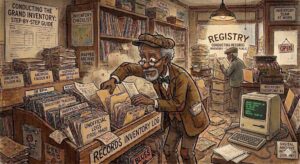

In the modern archival landscape, professionals and individuals alike face an important question: should records be preserved digitally, physically, or through a combination of both? Digital and physical archives each offer unique advantages, and finding the right balance between them is key to effective long-term preservation.
Physical archives provide authenticity and historical value. Original documents, photographs, and artifacts offer a tangible connection to the past that cannot be fully replicated digitally. However, physical materials are vulnerable to damage from environmental factors such as humidity, light, and improper handling.
Digital archives, on the other hand, offer accessibility and security. Digitized records can be easily stored, duplicated, and shared, reducing the risk of total loss. They also allow for quick searching and remote access, making information more usable. Yet, digital records depend on technology, requiring regular maintenance, backups, and updates to avoid data loss or obsolescence.
A balanced archival approach combines both methods. By preserving originals while creating high-quality digital copies, archives ensure protection, accessibility, and longevity. This hybrid strategy supports efficient records management while honoring the integrity of historical materials.